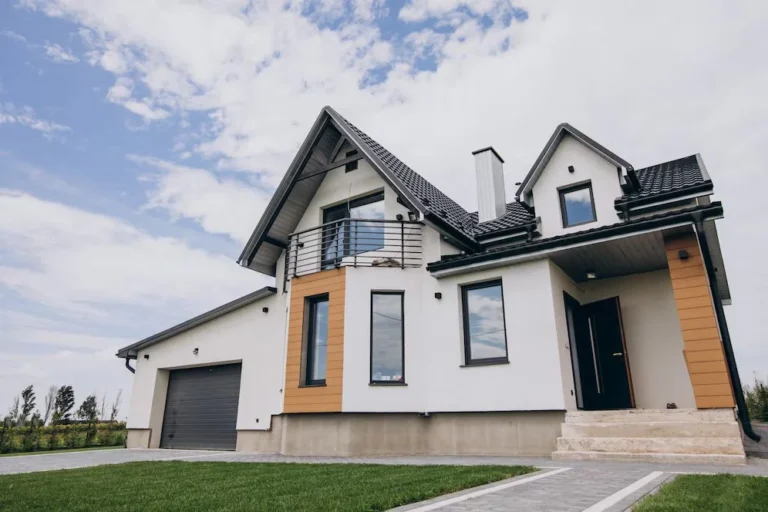
In recent years, the conversation around environmental conservation and sustainable living has gained unprecedented momentum. As urban populations grow and resources become scarcer, traditional housing models are increasingly seen as unsustainable. Enter GREEN PATH HOMES: a revolutionary approach to residential development that prioritizes eco-friendliness, energy efficiency, and community well-being. These homes are not just a trend but a necessity for combating climate change and promoting healthier lifestyles. In this comprehensive guide, we will explore what GREEN PATH HOMES are, their core features, benefits, and how you can participate in this green revolution.
Introduction to GREEN PATH HOMES
Understanding Sustainable Residential Developments
Green residential developments, including GREEN PATH HOMES, focus on minimizing environmental impact while maximizing quality of life. These homes incorporate eco-friendly materials, energy-saving technologies, and community-oriented designs to create harmonious living spaces. As cities struggle with pollution, resource depletion, and climate change, the importance of sustainable living becomes more evident. Living sustainably not only reduces individual carbon footprints but also helps build resilient communities capable of facing environmental challenges.
A Brief History and Evolution of Green Homes
Green homes have evolved from simple ideas of energy efficiency to comprehensive designs integrated with renewable resources. The concept gained traction in the 1970s with the rise of environmental awareness, but recent advancements in technology and design principles have truly propelled the green housing movement forward. Today, GREEN PATH HOMES embody cutting-edge innovations that make sustainability accessible and affordable for a wider audience.
What Are GREEN PATH HOMES?
Definition and Core Philosophy
GREEN PATH HOMES refer to residences built following sustainable principles emphasizing energy efficiency, eco-friendly materials, and minimal environmental impact. They are designed to promote a holistic approach to living, where eco-conscious choices are integrated into every aspect of home creation—from construction to daily use.
Key Features that Distinguish GREEN PATH HOMES
- Use of recycled and renewable materials
- Energy-efficient technology integration
- Water conservation systems
- Smart technology for resource management
- Designs that enhance natural light and airflow
Sustainable Design and Construction
Use of Eco-Friendly Materials
Recycled and Renewable Resources
Building GREEN PATH HOMES involves selecting materials that are sustainable and low-impact. Recycled steel, reclaimed wood, and biodegradable insulation are common examples that reduce waste and lessen the depletion of natural resources. Incorporating renewable resources, like bamboo and cork, not only supports sustainability but also adds aesthetic value.
Low VOC Paints and Non-Toxic Materials
Health-conscious design is also central to green homes. Using low volatile organic compound (VOC) paints and non-toxic sealants decreases indoor pollution, fostering healthier living environments for residents.
Energy-Efficient Building Techniques
Proper Insulation and Ventilation
High-quality insulation and ductless ventilation systems ensure minimal energy loss, maintaining comfortable indoor temperatures with less energy consumption. Techniques such as spray foam insulation or natural fiber insulation materials are commonly adopted.
Passive Solar Design Principles
GREEN PATH HOMES utilize passive solar strategies to maximize sunlight exposure during winter and reduce heat gain in summer. Features like strategic window placement, thermal mass, and reflective roofing materials help in reducing reliance on artificial heating and cooling.
Water Conservation Methods
Rainwater Harvesting Systems
Collecting rainwater for irrigation and non-potable uses helps conserve potable water, reducing utility bills and environmental strain.
Low-Flow Fixtures
Installing low-flow showerheads, faucets, and toilets significantly reduces water consumption without compromising comfort, aligning with sustainability goals.
Renewable Energy Integration
Solar Panels and Photovoltaic Systems
Solar energy is a cornerstone of GREEN PATH HOMES. Photovoltaic panels harness sunlight to generate electricity, decreasing dependence on fossil fuels and cutting energy costs over time.
Wind Energy Options
In suitable locations, small-scale wind turbines can supplement solar power, further reducing carbon footprints and enhancing energy resilience.
Geothermal Heating and Cooling Systems
Utilizing the earth’s stable underground temperatures, geothermal systems offer efficient climate control solutions with minimal environmental impact.
Benefits of Renewable Energy in GREEN PATH HOMES
- Significant reduction in utility bills
- Lower greenhouse gas emissions
- Energy independence and resilience
Smart Home Technologies for Sustainability
Energy Monitoring Systems
Smart meters and monitoring devices provide real-time data on energy consumption, empowering homeowners to make informed decisions to improve efficiency.
Automated Lighting and Climate Control
Automation systems adjust lighting and temperature based on occupancy and time of day, reducing unnecessary energy use.
Smart Appliances
Energy-efficient appliances with smart features conserve water and electricity, further enhancing the sustainability of GREEN PATH HOMES.
Benefits of Smart Technology Integration
- Reduced utility costs
- Enhanced comfort and convenience
- Data-driven sustainability improvements
Environmental Benefits of GREEN PATH HOMES
Reduction of Carbon Emissions
By utilizing renewable energy and efficient designs, GREEN PATH HOMES drastically lower their carbon footprint, playing a vital role in combating climate change.
Conservation of Natural Resources
Efficient water use, sustainable materials, and energy-saving technologies preserve natural resources for future generations.
Promotion of Biodiversity
Green spaces, native plantings, and habitat corridors incorporated into these homes support local wildlife and promote biodiversity.
Contribution to Climate Change Mitigation
Scaling up GREEN PATH HOMES can significantly influence global efforts to reduce greenhouse gases and meet international climate goals.
Economic Advantages for Homeowners
Cost Savings on Energy and Water Bills
Reduced utility consumption translates into substantial savings over the lifetime of the home, offsetting initial investments.
Potential Government Incentives and Tax Rebates
Many governments offer financial incentives to encourage green building practices, making GREEN PATH HOMES more accessible.
Increased Property Value
Sustainable homes tend to appreciate faster and command higher market prices, benefiting homeowners in the long run.
Long-Term Affordability and Sustainability
Though initial costs may be higher, the long-term savings and health benefits create an affordable and sustainable lifestyle.
Social and Community Impact
Promoting Eco-Conscious Living
Living in GREEN PATH HOMES sets an example and influences neighbors, fostering community-wide sustainability efforts.
Building Sustainable Communities
Green developments encourage shared resources, community gardens, and green spaces, nurturing a sense of collective responsibility.
Encouraging Local Green Initiatives
Partnerships with local organizations support environmental education, conservation projects, and green infrastructure development.
Challenges and Considerations
Initial Investment Costs
The upfront expense of sustainable materials and advanced technologies can be higher. However, long-term savings often offset these costs.
Access to Sustainable Materials and Technologies
Availability may vary by location, requiring careful planning and sourcing from reputable suppliers.
Regulatory and Zoning Requirements
Some regions have strict building codes or zoning laws that could hinder green construction. Working with experienced developers can help navigate these barriers.
Balancing Affordability with Green Features
Achieving the right balance means designing homes that are sustainable yet accessible to diverse income groups.
Future of GREEN PATH HOMES
Emerging Trends and Innovations
Innovations like biophilic design, net-zero energy homes, and integration of AI for predictive energy management are shaping the future landscape of GREEN PATH HOMES.
Expanding Availability and Adoption
As technology becomes more affordable and awareness grows, more developers and homeowners are expected to embrace sustainable housing options.
Role in Global Sustainable Development Goals
The United Nations Sustainable Development Goals emphasize housing that is sustainable, resilient, and inclusive—an objective strongly championed by GREEN PATH HOMES.
How to Choose or Build a GREEN PATH HOME
Steps for Prospective Homeowners
Assessing Environmental Goals
Identify which aspects of sustainability are most important, such as energy savings, water conservation, or health benefits.
Partnering with Green-Certified Builders
Choose builders with credentials from recognized programs like LEED, Passive House, or Living Building Challenge to ensure quality and adherence to green standards.
Selecting Sustainable Materials and Technologies
Prioritize eco-friendly, durable, and locally sourced materials, and incorporate renewable energy systems and smart home technology.
Tips for Existing Homeowners
Start with energy-efficient upgrades like insulation, smart thermostats, and solar panel installations. Small changes can significantly improve sustainability.
Conclusion
As we confront the pressing challenges of climate change and resource depletion, GREEN PATH HOMES represent a promising path toward safer, healthier environments and resilient communities. These homes do not just offer economic and environmental benefits—they foster a mindset of responsibility and care for our planet. Transitioning to green living is a shared responsibility and an opportunity that requires collective action. Whether building new or retrofitting existing homes, adopting green principles can dramatically impact our future. Take the step today towards sustainable living and be part of the transformative movement that GREEN PATH HOMES champion.
Summary Table: Key Features of GREEN PATH HOMES
| Feature | Description | Benefits |
|---|---|---|
| Eco-Friendly Materials | Recycled, renewable, and non-toxic building materials | Reduces waste, minimizes health risks, conserves resources |
| Energy Efficiency | Passive solar design, insulation, smart technology | Lower utility bills, reduced emissions |
| Renewable Energy Systems | Solar, wind, geothermal | Energy independence, cost savings, lower carbon footprint |
| Water Conservation | Rainwater harvesting, low-flow fixtures | Water savings, lower utility costs |
| Smart Home Technologies | Energy and resource monitoring, automation | Optimized efficiency, convenience |
| Community Integration | Green spaces, shared resources | Sustainable communities, social engagement |
Frequently Asked Questions (FAQs)
- What defines a home as a GREEN PATH HOME?
It is a residence built with sustainable principles, incorporating eco-friendly materials, renewable energy, water conservation, and smart technology to minimize environmental impact.
- Are GREEN PATH HOMES more expensive than traditional homes?
While the initial investment may be higher due to eco-friendly materials and technologies, long-term savings on energy and water bills often offset these costs, making them financially viable over time.
- Can existing homes be converted into GREEN PATH HOMES?
Yes, many green upgrades—such as installing solar panels, improving insulation, and switching to smart systems—are feasible and can significantly enhance sustainability.
- What government incentives are available for green homes?
In many regions, tax rebates, grants, and low-interest loans are available to support green building practices. Check local programs for specifics.
- How do GREEN PATH HOMES contribute to combating climate change?
By reducing reliance on fossil fuels, lowering greenhouse gas emissions, and conserving resources, these homes play a crucial role in sustainable development goals.
- What technologies are essential for a GREEN PATH HOME?
Solar photovoltaic systems, energy-efficient appliances, smart meters, rainwater harvesting, and advanced insulation are some essential components.