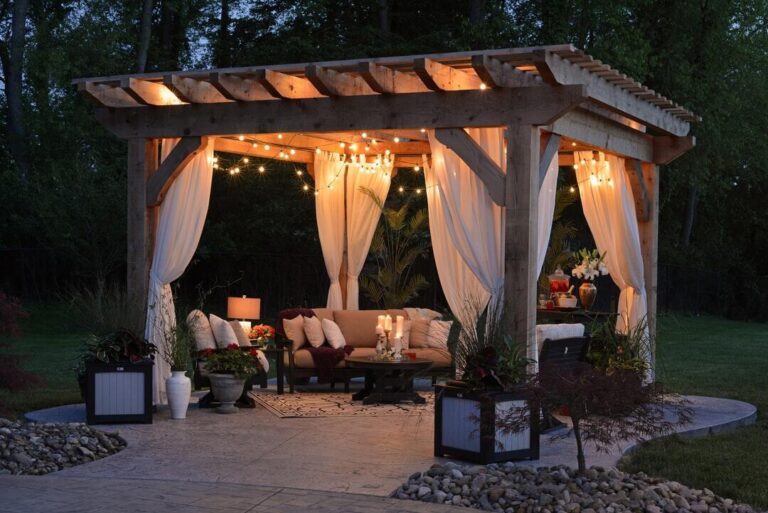
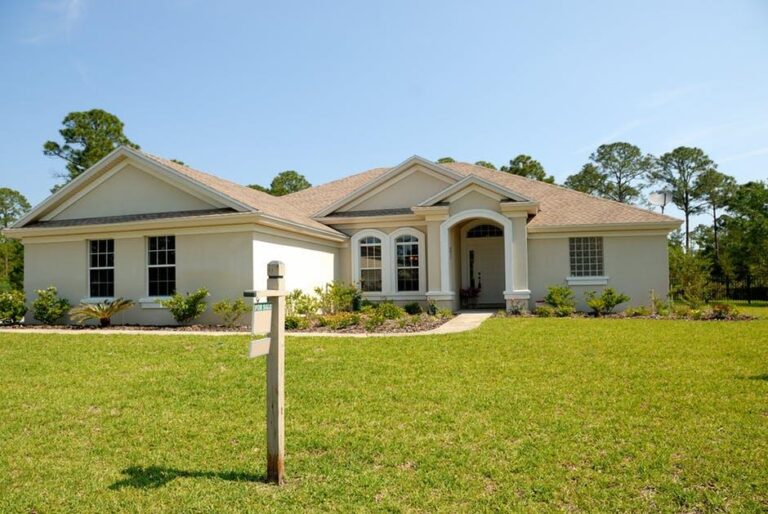
Design and architecture are fundamental elements that shape our environment, influence our experiences, and drive innovation across various fields. From the grand structures that define city skylines to the intuitive software interfaces we interact with daily, design and architecture are intertwined disciplines that blend creativity with technical expertise. This comprehensive article explores the depths of design and architecture, examining their principles, types, practical applications, emerging trends, and future outlook to provide a thorough understanding for enthusiasts, students, and professionals alike.
Understanding Design: Creativity Driving Innovation
What is Design?
Design is a creative process aimed at solving problems and generating innovative solutions. It involves conceptualizing and planning ideas to create functional, aesthetic, and user-centric outcomes. Whether in product development, digital interfaces, or urban planning, design emphasizes a harmonious balance between aesthetics and functionality. The essence of good design lies in its ability to resonate with users while meeting practical needs.
Types of Design
| Type | Description |
|---|---|
| Visual Design | Focuses on aesthetic elements like color, layout, and typography to communicate messages effectively. |
| Industrial Design | Concerns with the creation of manufactured products, emphasizing usability and aesthetics. |
| Graphic Design | Involves creating visual content for print and digital media. |
| User Interface (UI) and User Experience (UX) Design | Centers around designing intuitive interfaces and seamless user experiences in digital products. |
| Architectural Design | Involves designing buildings and physical structures, blending functionality with aesthetics. |
Principles of Good Design
- Balance: Achieving visual equilibrium.
- Contrast: Using differences to create emphasis.
- Harmony: Consistency and cohesiveness across elements.
- Proportion: Harmonizing sizes and scales.
- Functionality: Ensuring usability and practicality.
Understanding Architecture: The Art and Science of Space
What is Architecture?
Architecture is the art and science of designing and constructing spaces and structures. It merges functionality with aesthetic expression, shaping the built environment to serve human needs while reflecting cultural and environmental contexts. Proper architecture requires understanding structural integrity, materials, and the relationships between physical spaces and their users.
Types of Architecture
| Type | Description |
|---|---|
| Residential | Designing private homes, apartments, and community housing. |
| Commercial | Buildings for business purposes, including offices, malls, and hotels. |
| Landscape Architecture | Designing outdoor spaces like parks, gardens, and recreational areas. |
| Interior Architecture | Focuses on the internal spatial design of buildings, emphasizing aesthetics and functionality. |
| Sustainable/Green Architecture | Designing environmentally friendly and energy-efficient structures. |
Principles of Good Architecture
- Strength and Stability: Structural safety and durability.
- Flexibility and Adaptability: Spaces that can evolve over time.
- Sustainability: Minimizing environmental impact.
- Contextual Relevance: Harmonizing with surroundings and local culture.
- Innovation and Aesthetics: Incorporating new ideas while maintaining visual appeal.
The Interconnection Between Design and Architecture
How Principles Influence Outcomes
The core principles of design such as balance, harmony, and proportion deeply impact architectural outcomes. For example, the aesthetic appeal of a building hinges on effective design principles. Architects often collaborate with designers to ensure that the functionality of spaces aligns beautifully with visual storytelling.
The Role of Architecture in User Experience
Architecture significantly influences how people experience spaces. Thoughtful design improves comfort, accessibility, and environmental quality, creating spaces that foster community, productivity, and well-being. These integrated approaches demonstrate how design and architecture work hand-in-hand to shape our physical environment.
Case Studies of Integrated Design and Architecture
- The Apple Park: Combines innovative architectural design with smart technological integration to foster creativity.
- Bosco Verticale: An example of sustainable skyscrapers with biophilic design principles that connect architecture with nature.
Design and Architecture in Practical Fields
In Architectural Practice
Process Steps
- Conceptual Design: Developing initial ideas for spatial organization.
- Schematic Design: Creating basic layouts and visuals.
- Design Development: Refining designs with detailed specifications.
- Construction Documents: Producing technical drawings for building.
- Construction Administration: Overseeing construction to ensure design fidelity.
Tools and Technologies
Modern architecture heavily relies on tools like CAD (Computer-Aided Design) and BIM (Building Information Modeling) for precision and collaboration.
In Software and Digital Fields
- Software Architecture Design: Designing the foundational structure of applications.
- User-Centered Design Principles: Prioritizing user needs and experiences.
- Agile and Iterative Processes: Continuous refinement and flexibility.
In Product Development
From sketches to detailed plans, design and architecture play a role in material selection, structural integrity, and manufacturability, ensuring a seamless transition from concept to finished product.
Emerging Trends and Innovations in Design and Architecture
Sustainable and Eco-Friendly Materials
Use of recycled, biodegradable, and low-impact materials to minimize environmental footprint is revolutionizing the industry. More architects and designers are adopting green practices to create eco-conscious spaces.
Smart Architecture and IoT Integration
Embedding sensors, automation, and data collection within buildings enhances efficiency, security, and user comfort, making design and architecture smarter and more responsive.
Modular and Prefabricated Design
Prefabrication techniques allow rapid construction with high precision, reducing costs and waste, and enabling adaptable space solutions.
VR and AR in Visualization
Virtual Reality (VR) and Augmented Reality (AR) tools enable stakeholders to experience projects virtually before construction begins, improving decision-making and client engagement.
Biophilic Design Principles
Integrating nature-inspired elements enhances well-being and connects occupants with their environment, reflecting an evolution in design and architecture.
Challenges in Design and Architecture
Balancing Aesthetics, Functionality, and Cost
Striking the right balance among visual appeal, usability, and budget constraints remains a primary challenge for architects and designers.
Environmental and Sustainability Concerns
Addressing climate change and resource depletion urges the industry toward greener practices and renewable materials.
Regulatory and Zoning Laws
Legal frameworks often complicate design plans, requiring creativity within restrictions while ensuring compliance.
Technological Integration
Adapting to rapidly evolving technologies such as AI and IoT demands continuous learning and innovation.
Cultural Sensitivity and Context
Design and architecture must respect local cultures and contexts, especially in diverse global environments.
Future Outlook: The Evolving Role of Design and Architecture
AI’s Transformative Power
Artificial intelligence promises to revolutionize design and architecture by automating routine tasks, optimizing designs, and fostering creative innovations.
Sustainable Development Focus
Green architecture and sustainable practices will become the standard, addressing global environmental challenges.
Adaptive and Resilient Designs
Future spaces will prioritize resilience to climate change, natural disasters, and changing human needs.
Interdisciplinary Collaboration
Collaborations across fields such as engineering, environmental science, and technology will foster holistic and innovative solutions.
Key Takeaways: Summary of Design and Architecture
| Aspect | Details |
|---|---|
| Core Focus | Blending creativity with functionality to shape environments and products |
| Principles | Balance, harmony, sustainability, innovation |
| Application Fields | Building design, software, product development, urban planning |
| Tools | CAD, BIM, VR, AR, sustainable materials |
| Challenges | Cost, regulations, technological integration, environmental impact |
| Future Trends | Sustainability, smart tech, AI, modular design |
Frequently Asked Questions about Design and Architecture
- What is the main difference between design and architecture?
While design refers broadly to problem-solving and aesthetic planning across various fields, architecture specifically involves designing and constructing physical structures and spaces. - How does sustainable architecture differ from traditional designs?
Sustainable architecture emphasizes eco-friendly materials, energy efficiency, and reducing environmental impact, whereas traditional designs may not prioritize these aspects. - What are some common tools used in architectural design?
Main tools include CAD (Computer-Aided Design), BIM (Building Information Modeling), and visualization software like VR and AR technologies. - Can design and architecture be integrated in digital products?
Absolutely. User experience, interface design, and software architecture are all areas where design and architecture principles merge to create seamless digital experiences. - What are the emerging trends in design and architecture for the next decade?
Key trends include sustainable and green building practices, smart technology integration, modular construction, and biophilic design. - How can I pursue a career in design and architecture?
Pursuing degrees in architecture, industrial design, or related fields, gaining practical experience through internships, and staying updated with industry trends are crucial steps.
In conclusion, a deep understanding of design and architecture reveals their vital role in shaping our physical and digital worlds. By integrating principles of creativity, functionality, sustainability, and technological innovation, these fields continue to evolve, responding to societal needs and environmental challenges. Whether designing iconic skylines or intuitive apps, the future of design and architecture promises exciting developments driven by interdisciplinary collaboration and cutting-edge technology. Embracing these changes ensures that our environments remain inspiring, resilient, and sustainable for generations to come.