Creating environments that enhance efficiency, comfort, and adaptability is essential in today’s fast-paced world. Whether designing a cozy home, a productive office, or a welcoming public space, understanding the core principles of spaces for optimal functionality can transform ordinary areas into highly effective environments. Well-designed spaces not only improve daily living and working experiences but also promote safety, wellbeing, and productivity. This comprehensive guide explores the key factors, innovative strategies, and real-world examples involved in crafting spaces that truly work for their users.
Understanding the Concept of Optimal Functionality in Spaces
What Does Optimal Functionality Mean?
At its core, spaces for optimal functionality prioritize efficiency and productivity, ensuring that every element within a space supports its intended purpose. For residential spaces, this might mean designing kitchens that facilitate smooth cooking and cleanup processes, while in workplaces, it involves optimizing layouts for seamless collaboration and focused work.
Additionally, essential factors such as comfort and safety are foundational. An effectively designed space promotes physical well-being through ergonomic furnishings and safety features, reducing stress and potential hazards. The flexibility and adaptability of a space signal its capacity to evolve with user needs, accommodating new functions or occupants without extensive redesign.
The Science Behind Space Optimization
Optimizing spaces relies heavily on understanding human behavior and ergonomics. Ergonomically designed furniture minimizes physical strain, leading to increased comfort and productivity. Spatial psychology studies how humans perceive and interact with their environments, guiding designers to create layouts that foster positive emotions and reduce stress.
Key environmental factors such as lighting, acoustics, and air quality also influence how effectively people function within a space. Proper lighting enhances mood and focus, while sound management minimizes distractions. Good air quality keeps occupants healthy and alert, underscoring the importance of a holistic approach to space optimization.
Types of Spaces and Their Optimal Design Principles
Residential Spaces
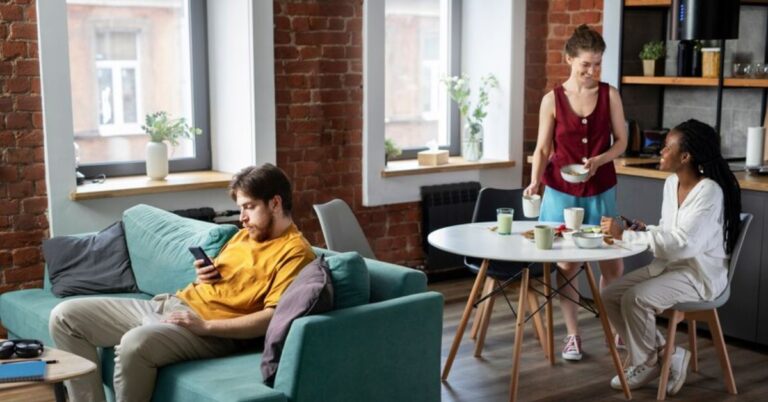
Designing spaces for optimal functionality at home involves creating distinct zones for different activities—cooking, relaxing, sleeping—and ensuring seamless movement between them. For kitchens, maximizing workspace with well-placed counters and appliances is essential, while bedrooms should offer tranquility and storage solutions to reduce clutter. Decluttered living rooms foster relaxation and ease of social interaction.
Smart storage solutions like modular shelving and hidden compartments help maintain organization, transforming chaotic rooms into serene sanctuaries capable of supporting daily routines efficiently.
Workspaces and Offices
Workspaces can be open-plan or include private offices. Optimal design principles balance collaboration and privacy. Incorporating ergonomic furniture—adjustable desks, supportive chairs—ensures comfort during long hours. Zones dedicated to focused tasks prevent disturbances, while collaborative areas promote teamwork.
In today’s hybrid work environment, flexible spaces that adapt to changing needs are increasingly important. Incorporating elements like movable partitions and modular furniture allows offices to scale and reconfigure effortlessly, aligning with evolving organizational goals.
Public Spaces
Creating accessible and engaging public spaces such as parks, plazas, and community centers requires thoughtful consideration of accessibility and flow. Wide pathways, clear signage, and accessible features ensure inclusivity for all users. Safety measures like visible sightlines and proper lighting foster security and community trust.
Environmental design that encourages social interaction while maintaining individual privacy—like strategically placed seating and green buffers—enhances both the usability and appeal of public areas.
Key Elements of Spaces for Optimal Functionality
Layout and Floor Planning
An effective layout promotes natural flow and movement. Strategically positioning zones for different activities prevents congestion and maximizes utility. For example, in homes, placing the kitchen near dining areas minimizes transit time, while in offices, grouping related departments enhances collaboration.
Use of spatial zoning and thoughtful pathways ensures that users can navigate effortlessly, boosting overall efficiency and comfort.
Lighting and Ventilation
Maximizing natural light reduces energy costs and elevates mood. Installing large windows or skylights enhances openness and health. Complementary artificial lighting with layered strategies—ambient, task, and accent lighting—creates a versatile environment.
Effective ventilation ensures healthy indoor air quality, reducing pollutants and stale air, which directly correlates with increased focus and comfort.
Furniture and Fixtures
Choosing ergonomic furniture, such as adjustable desks and supportive chairs, supports physical health. Incorporating multi-functional furniture, like sleeper sofas or fold-away desks, maximizes space utility, especially in smaller environments.
Smart storage and organization solutions—like built-in shelves and hidden compartments—help maintain decluttered spaces, essential for both aesthetics and functionality.
Technology Integration
Implementing smart technology enhances space efficiency through automation of lighting, climate control, and security. Automated systems reduce energy consumption and human effort.
Cable management solutions and reliable connectivity ensure that technology supports productivity without causing disruptions or visual clutter.
Design Strategies and Best Practices
Flexibility and Scalability
Designing modular and adaptable spaces allows users to modify their environment as needs change. Movable partitions, adjustable furniture, and scalable layouts ensure longevity and relevance of the space over time.
Minimalism and Clutter-Free Environments
Minimalist design fosters clarity and focus by reducing unnecessary items and visual distractions. Implementing organized storage systems—like cube organizers and wall-mounted shelves—helps maintain a clutter-free environment, boosting spaces for optimal functionality.
Color and Material Choices
Colors influence mood and productivity. Soft blues and greens promote calmness, while vibrant colors like yellow and orange energize spaces. Choosing durable and sustainable materials not only supports environmental goals but also ensures longevity and ease of maintenance.
Personalization and User-Centric Design
Tailoring spaces based on user feedback creates more effective environments. Custom features and feedback-driven modifications foster ownership and satisfaction, key components in maintaining spaces for optimal functionality.
Technological and Innovative Approaches
Smart Homes and Office Technologies
Automation enhances comfort and efficiency. Automated lighting and climate control adapt to occupancy patterns, reducing waste. Voice-controlled systems enable intuitive interaction, streamlining daily routines.
Use of Data and AI
Analyzing space utilization through data enables informed decisions. AI-driven systems can predict user needs, adjusting lighting, temperature, or layout configurations for peak efficiency—making environments smarter and more responsive.
Virtual and Augmented Reality in Space Planning
Before physical implementation, VR and AR tools allow users and designers to visualize designs, detect potential issues, and make adjustments in a virtual setting. This technology streamlines the design process and fosters user engagement, ensuring final spaces meet everyone’s needs.
Case Studies & Examples
Successful Residential Designs
| Project | Description | Key Features |
|---|---|---|
| Minimalist Apartment in NYC | Compact living space optimized with multi-functional furniture. | Murphy beds, hidden storage, open-plan design. |
| Loft with Flexible Zones | Open space divided using movable partitions. | Adjustable room divisions, fold-away workspaces. |
Innovative Workspaces
Co-working spaces like WeWork foster collaboration through flexible and social environments. Incorporating biophilic elements—plants, natural materials—improves well-being and productivity.
Public Space Innovations
Urban parks with integrated technology, such as Wi-Fi hotspots and interactive installations, create vibrant communal areas. Community centers emphasizing inclusivity use accessible design and varied activity zones to serve diverse populations.
Challenges and Considerations
- Budget constraints: Prioritizing key elements and phased implementation can mitigate costs.
- Cultural and environmental factors: Customizing designs to local context ensures relevance and acceptance.
- Balancing aesthetics with functionality: Finding harmony between beauty and utility enhances user satisfaction.
- Maintenance and adaptability over time: Regular updates and sustainable choices prolong usability and relevance.
Conclusion
Designing spaces for optimal functionality requires a comprehensive understanding of human needs, environmental factors, and innovative trends. By integrating principles such as flexible layouts, ergonomic furniture, advanced technology, and user-centric approaches, we can craft environments that boost productivity, comfort, and safety. Looking ahead, emerging technologies like AI and virtual reality will continue to revolutionize space planning, making adaptive and intelligent environments more accessible than ever. Intentional design remains the cornerstone of creating spaces that truly support and enhance everyday life.
Frequently Asked Questions (FAQs)
- What are the main principles of creating spaces for optimal functionality?
Key principles include efficient layout, ergonomic design, flexible structures, adequate lighting and ventilation, technology integration, and user-centric customization. - How does natural light influence space functionality?
Natural light improves mood, reduces energy costs, and enhances focus, making spaces more productive and inviting. - What role does technology play in optimizing spaces?
Smart automation, AI analytics, and virtual planning tools facilitate efficient, adaptable, and personalized environments. - Can small spaces be designed for maximum functionality?
Yes. Using multi-functional furniture, smart storage, and thoughtful zoning maximizes limited areas effectively. - What materials are best for durable and sustainable environments?
Materials like bamboo, recycled metals, and low-VOC paints support environmental goals while ensuring longevity. - How important is user feedback in space design?
Feedback helps tailor environments to actual needs, improving usability and satisfaction over time. - What are common challenges in designing for optimal functionality?
Budget, cultural differences, environmental factors, and maintaining balance between aesthetics and utility pose typical challenges. - How can public spaces promote inclusivity and accessibility?
Design features like ramps, tactile paving, and clear signage ensure everyone can enjoy public environments.
By applying these principles and innovative strategies, architects, designers, and homeowners can create spaces for optimal functionality that meet diverse needs, foster wellbeing, and adapt seamlessly into the future. For more insights into sustainable design practices, visit Built Green.