Transportation is the heartbeat of any thriving society. It encompasses the myriad ways humans move goods and people from one point to another, shaping economies, cultures, and daily life. As the world advances, so too does the landscape of transportation, reflecting technological innovations, environmental concerns, and changing societal needs. From ancient footpaths to futuristic space travel, understanding the evolution and future of transportation is vital for appreciating its role in modern society and envisioning sustainable development.
Understanding Transportation: Its Definition and Significance
What is Transportation?
Transportation refers to the movement of people, animals, and goods from one location to another. It involves various modes and mechanisms designed to facilitate efficient, safe, and cost-effective movement. Whether it’s a bicycle navigating city streets or a cargo ship crossing oceans, transportation is foundational to human civilization.
Why is Transportation Crucial Today?
In our interconnected world, transportation supports global trade, enables access to education and healthcare, fosters cultural exchanges, and boosts economic growth. Efficient transportation systems reduce travel time, lower costs, and enhance quality of life. Without effective movement networks, modern society’s complex functions would come to a halt.
Evolution of Transportation Methods
Historical Milestones
The earliest humans relied on walking and animal migration for movement. The invention of the wheel around 3500 BC transformed transportation, leading to carts and chariots that vastly increased mobility. The Industrial Revolution later introduced mechanized modes like trains and automobiles, revolutionizing travel and trade further.
Modern Innovations
Today’s transportation landscape is marked by electric vehicles, high-speed trains, drones, and emerging space technologies. These advances aim to improve efficiency, safety, and environmental sustainability, making transportation a dynamic sector constantly in flux.
Major Types of Transportation
Land Transportation
Road Transport
Includes autos, buses, and trucks. Its primary advantage is flexibility and accessibility—vehicles can reach most destinations directly. However, urban areas often face traffic congestion and pollution challenges that require innovative solutions like congestion charges or electric vehicles.
Rail Transport
Comprises trains, subways, and trams. Known for its speed and energy efficiency, rail transport is a backbone for urban and regional connectivity. Infrastructure costs and geographic limitations remain barriers in some areas, but investments in high-speed rail networks continue to expand.
Water Transportation
Maritime Transport
Cargo ships and ferries facilitate international trade and regional commerce. Maritime transport is vital for moving large volumes of goods across oceans, but it raises environmental concerns like greenhouse gas emissions and marine pollution. Efforts are underway to develop cleaner and more sustainable shipping options.
Inland Waterways
Canoes, barges, and boats serve regional markets and remote areas where land routes are limited. Inland waterways provide cost-effective transportation for specific regions, contributing significantly to local economies.
Air Transportation
Commercial Airlines
This modality is essential for long-distance travel, connecting continents. It plays a pivotal role in global tourism, business, and emergency responses. Advancements in aircraft technology have made air travel faster and more comfortable.
Private and Charter Flights
Suited for business trips, VIP travel, and urgent medical transportation, these modes offer flexibility but tend to be expensive. Increasingly, private jets are being replaced or complemented by emerging innovations focusing on cost and environmental impact.
Space Transportation: The New Frontier
Spacecraft and future prospects for commercial space travel represent the cutting edge of transportation. Companies like SpaceX and Blue Origin aim to reduce costs and make space tourism accessible. However, challenges such as safety, regulation, and environmental impact remain significant hurdles.
How Transportation Has Developed Over the Centuries
Ancient to Pre-Modern Period
Starting with walking and animal-drawn vehicles, human ingenuity led to the invention of the wheel, significantly enhancing mobility. The Middle Ages saw innovations like carriages, while the Industrial Revolution marked a turning point with steam engines and mechanized transport systems.
Modern Era
The 20th century introduced automobiles, airplanes, and eventually electric vehicles and high-speed trains. Recent developments include drone technology and smart transportation systems that leverage the Internet of Things (IoT) to optimize traffic flow and safety.
Factors Shaping Transportation Systems
Infrastructure and Technology
Robust infrastructure—roads, bridges, railway lines, ports—is vital for efficient transportation. Technological innovations like GPS, automation, and energy-efficient vehicles continue to transform the sector.
Economic and Environmental Impacts
Transportation fuels economic development by enabling trade and job creation. Conversely, it contributes significantly to pollution and climate change—prompting the industry to pursue sustainable practices, including electric vehicles and green logistics.
Urban Planning and Policy
Smart urban development integrates transportation planning to reduce congestion, promote public transit, and enhance quality of life. Policies encouraging sustainable choices are crucial for future resilience.
Challenges Facing the Transportation Sector
Traffic Congestion and Pollution
Urban areas worldwide grapple with traffic jams and emissions from fossil-fuel vehicles. Innovations like smart traffic management and electric vehicles aim to mitigate these issues.
Safety and Security
Ensuring safety in transportation networks involves infrastructure standards, regulations, and security measures against threats like cyberattacks or terrorism.
Cost and Accessibility
High infrastructure costs can limit access, particularly in developing regions. Public investments and innovative solutions like micro-mobility are helping bridge gaps.
Climate Change and Adaptation
The sector must adapt to climate change impacts such as rising sea levels and extreme weather. Sustainable transportation policies include investing in renewable energy and resilient infrastructure.
Emerging Trends and Future Innovations in Transportation
Electric and Hybrid Vehicles
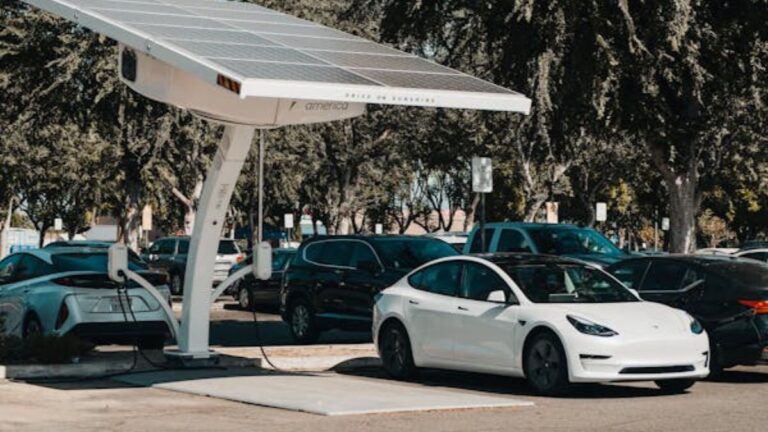
Driving towards eco-friendly transportation, electric cars are decreasing reliance on fossil fuels, supported by charging infrastructure and policy incentives.
Autonomous Vehicles
Driverless cars promise enhanced safety, efficiency, and accessibility, but raise questions regarding regulations, cybersecurity, and job impacts.
High-Speed Transit Systems
Next-generation systems like the Hyperloop aim to revolutionize long-distance travel, reducing transit times significantly through vacuum tube technology.
Smart and Connected Transportation
Integration of IoT, AI, and big data allows for real-time traffic management, predictive maintenance, and personalized travel experiences, making transportation more efficient.
Sustainable and Eco-Friendly Solutions
Developments in biofuels, hydrogen power, and public transit promote environmentally sustainable practices globally.
Transportation and the Global Economy
Trade and Commerce
Efficient transportation networks facilitate international trade, lowering costs and increasing market access. Ports, highways, and railways form the backbone of global commerce.
Job Creation
The sector generates millions of jobs—from drivers to engineers to logistics managers—contributing significantly to economic stability.
Tourism and Remote Connectivity
Transportation expands tourism opportunities and connects remote regions, fostering local development.
Key Data Summary of Transportation Systems
| Transportation Type | Primary Uses | Advantages | Challenges |
|---|---|---|---|
| Land Transport | Personal travel, freight | Flexibility, accessibility | Traffic congestion, pollution |
| Water Transport | Trade, tourism | Heavy cargo, regional reach | Environmental concerns, slow speed |
| Air Transport | Long-distance travel, cargo | Speed, global connectivity | Cost, emissions |
| Space Transport | Satellite deployment, exploration | New frontiers, innovation | Cost, safety, regulation |
Frequently Asked Questions (FAQs)
- What are the most sustainable transportation options? Electric vehicles, public transit, cycling, and walking are among the most eco-friendly options.
- How is autonomous transportation changing the industry? Driverless cars and trucks are improving safety and efficiency but require regulations and infrastructure adaptation.
- What is the future of space transportation? Commercial space travel is aiming to become more affordable and accessible, opening new opportunities for exploration and tourism.
- How does transportation impact climate change? Transportation is a significant source of greenhouse gases. Shifting to renewable energy and cleaner technology helps reduce its carbon footprint.
- What are key challenges in developing transportation infrastructure? High costs, environmental impact, urban congestion, and technological integration are ongoing challenges.
- How can cities improve transportation systems? Investing in public transit, bike lanes, traffic management, and sustainable technology enhances mobility and reduces pollution.
Understanding transportation is essential for appreciating how interconnected, efficient, and sustainable future societies can become. By embracing innovation and prioritizing environmental responsibility, we can build transportation systems that serve both current needs and future generations.
For further insights, consider exploring reports from organizations such as the International Transport Forum or research articles from industry leaders that detail the ongoing developments in transportation.