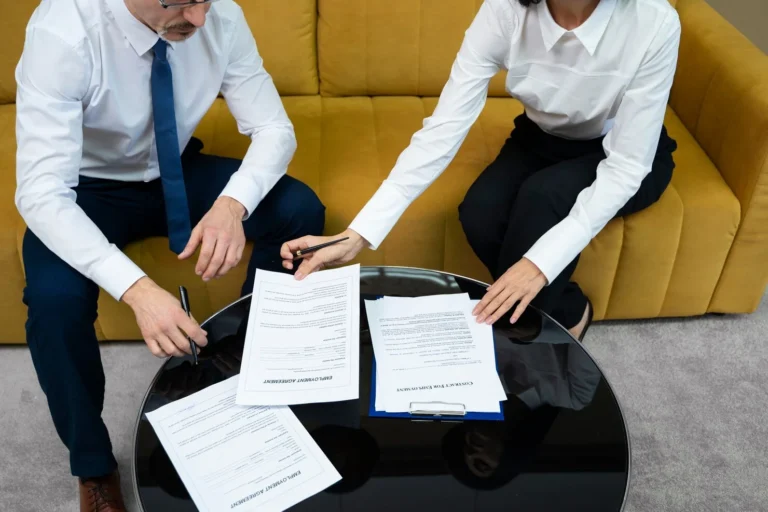
As the senior population continues to grow, more elderly individuals are finding themselves in need of selling assets such as homes, collectibles, or even small businesses. The process of selling can be daunting, especially for seniors who may face unique challenges like emotional attachments, limited familiarity with modern technology, or concerns about scams. That’s why SENIORS SELL requires specialized strategies that empower seniors to navigate the selling landscape confidently. This comprehensive guide will walk you through understanding the senior selling market, preparing effectively, choosing the right platforms, and supporting seniors through every step of their selling journey.
Understanding the Senior Selling Market
Demographics and Trends
The senior demographic is rapidly expanding, with the U.S. Census Bureau estimating that by 2030, seniors (age 65 and older) will make up nearly 20% of the population. This demographic shift creates a significant market for selling assets like homes, investment properties, businesses, and collectibles. Many seniors are selling because they are downsizing, relocating closer to family, or transitioning into retirement communities.
Common assets that seniors sell include residential properties, antique collectibles, jewelry, and even small businesses or franchises. Understanding these trends helps sellers recognize opportunities and tailor their strategies effectively.
Factors Influencing Seniors’ Decision to Sell
- Retirement or downsizing: Many seniors choose to sell larger homes to simplify their lives or reduce maintenance costs.
- Health considerations: Medical issues may prompt moving to assisted living or rehabilitation centers.
- Financial needs or emergencies: Selling assets can provide much-needed cash flow or pay off debts.
- Moving to family support: Relocating closer to relatives for care and companionship.
Challenges Faced by Senior Sellers
Seniors often encounter obstacles such as emotional attachment to their assets, lack of familiarity with current selling platforms like online marketplaces, and higher vulnerability to scams and frauds. Limited technical skills can make navigating digital sales channels intimidating, emphasizing the need for tailored support and guidance.
Preparing to Sell: Key Considerations for Seniors
Assessing the Asset’s Value
Getting Professional Appraisals
One of the first critical steps for SENIORS SELL is accurately determining asset value. A licensed appraiser can offer an unbiased evaluation, ensuring that seniors set fair asking prices. Visiting local appraisal services or consulting real estate agents can clarify asset worth.
Market Analysis and Recent Sale Comparisons
Analyzing recent sales of similar assets provides insight into current market conditions. Real estate agents can provide comparative market analyses (CMAs) for home sales, while collectibles experts can advise on the value of antiques or jewelry.
Understanding Fair Pricing
Setting a realistic price maximizes interest and expedites the sale process. Overpricing can deter buyers, while underpricing may lead to financial loss.
Emotional Readiness
Managing Emotional Ties
Selling beloved assets like family homes or sentimental collectibles can be emotional. Seniors should seek support from trusted family members or counselors to help navigate feelings and make objective decisions.
Seeking Support from Family or Advisors
Engaging trusted relatives or professional advisors can simplify the process, ensuring informed choices and proper emotional support.
Legal and Financial Preparation
Reviewing Ownership Documentation
Ensure all legal documents such as titles, deeds, and estate plans are up-to-date. Consulting with an attorney can prevent future legal complications.
Consulting with Financial or Estate Planners
Financial professionals can advise on tax implications, investment proceeds, or establishing trusts to protect assets post-sale. Visit usa.gov’s financial advice section for resources.
Understanding Tax Implications
Knowing potential capital gains taxes, estate taxes, or other obligations helps seniors plan appropriately and retain more benefits from their sale.
Effective Selling Strategies for Seniors
Working with Professionals
Real Estate Agents Experienced with Senior Clients
Choosing agents who specialize in senior clients ensures sensitivity and familiarity with their unique needs. Such agents can assist with staging homes, marketing, and negotiations effectively.
Legal Advisers and Estate Planners
Legal professionals help navigate estate laws, contracts, and ensure all paperwork is correct.
Certified Appraisers and Inspectors
Reliable appraisers establish proper asset valuation; home inspectors verify condition and identify improvements that may boost value.
Choosing the Right Selling Platform
Traditional Methods
Using the Multiple Listing Service (MLS) or hosting open houses remain effective, especially for residential properties. These methods facilitate face-to-face interactions and trusted negotiations.
Digital Platforms
Online marketplaces like Zillow or eBay (for collectibles) reach broader audiences. Social media channels such as Facebook Marketplace also offer convenient options. A hybrid approach often yields the best results, combining traditional exposure with online reach.
Benefits of Hybrid Approaches
Combining in-person and digital methods increases visibility, attracts diverse buyers, and accelerates the selling process.
Marketing Approaches Tailored for Seniors
Clear, Straightforward Communication
Seniors appreciate direct and simple messaging. Avoid jargon and highlight key selling points clearly.
Using Print Media and Community Bulletin Boards
Newspapers, community centers, and churches are valuable channels for reaching local buyers, especially among seniors who prefer tangible media.
Family Involvement in Marketing Efforts
Engaging family members in marketing can help explain options, organize viewings, and provide emotional reassurance.
Ensuring a Safe and Secure Selling Process
Recognizing Scams and Fraud Prevention
Warn seniors to be cautious of unsolicited offers, high-pressure tactics, and requests for upfront payments. Using reputable professionals offers protection.
Using Trusted Professionals
Engage licensed agents, attorneys, and appraisers with verified credentials to reduce fraud risk.
Personal Safety Tips During Showings and Negotiations
Never share personal information prematurely and arrange showings during daylight hours or in safe, public locations.
Special Considerations for Different Assets
Selling Residential Properties
Emphasizing Home Staging for Seniors
Making homes look inviting and decluttered helps attract buyers. Focus on accessibility features like ramps or wider doorways.
Highlighting Accessibility Features
Many buyers value accessibility improvements, which can fetch higher prices and quicker sales.
Renovations to Boost Value
Minor updates such as fresh paint, new flooring, or updated fixtures can significantly increase appeal.
Selling Businesses
Succession Planning
Prepare the business for sale by organizing financial records and training successors if needed.
Valuation Processes
Professional business appraisers can accurately assess the company’s worth, essential for fair negotiations.
Transition Strategies
Plan for a smooth handover to ensure business continuity and preserve relationships with clients and employees.
Selling Collectibles or Personal Items
Valuation Services
Experts can authenticate and appraise collectibles, ensuring accurate pricing.
Choosing Between Auctions, Consignment, or Direct Sales
Auctions might maximize value for rare items, while consignment and direct sales work well for regular inventories.
Documenting Provenance and Authenticity
Proper documentation increases buyer confidence and potentially enhances sale prices.
Supporting Seniors Through the Selling Process
Emotional Support and Counseling
Dealing with Attachment and Change
Offer emotional reassurance and consider connecting seniors with support groups such as Senior Advisor.
Connecting with Senior Support Groups
Groups provide camaraderie and advice, reducing feelings of isolation during transitions.
Simplifying the Selling Process
Step-by-Step Guidance
Create clear checklists and timelines to guide seniors through each phase, from valuation to closing.
Checklists and Timelines
Visual aids and reminders make the process manageable and less stressful.
Dedicated Contact Persons or Coordinators
Assign a trusted agent or counselor to handle communications, answer questions, and coordinate appointments.
Post-Sale Considerations
Financial Planning Post-Sale
Assist seniors with reinvestment, budgeting, or charitable donations to maximize the benefits of their sale.
Estate Planning Updates
Review and update wills, trusts, and estate documents to reflect new asset distributions.
Moving and Relocation Assistance
Coordinate logistics, find senior-friendly moving services, and assist with housing options, ensuring a seamless transition.
Resources and Assistance for Senior Sellers
| Resource Type | Description | Link |
|---|---|---|
| Senior-Focused Real Estate Agencies | Specialized agencies that understand seniors’ needs | National Association of Realtors: Senior Real Estate Specialists |
| Government Programs & Grants | Assistance programs for legal, financial, or housing support | USA.gov Financial Assistance |
| Nonprofit Organizations | Legal, financial advising, and counseling services for seniors | AARP Resources |
| Online Tools | Websites and apps tailored for senior users for easy selling and planning | Senior Planet |
Frequently Asked Questions (FAQs)
- What is the best way for seniors to start the selling process? Begin by assessing assets with professional appraisers and consulting trusted advisors. Planning early and seeking expert guidance ensures smoother transactions.
- How can seniors protect themselves from scams during the sale? Work only with licensed professionals, avoid unsolicited offers, and be cautious about sharing personal information. Verify credentials and ask for references.
- Can seniors sell assets independently or should they always hire professionals? While some assets like collectibles can be sold directly online, most seniors benefit from professional assistance to navigate legal, valuation, and negotiation complexities.
- What resources are available to help seniors with legal and financial planning? Government programs, nonprofit organizations like AARP, and financial advisors specialize in senior needs. Many websites offer free guides and counseling services.
- How can seniors handle emotional barriers to selling loved assets? Seek support from family, friends, or counselors, and consider counseling services focused on transition and change management.
- What should seniors consider when selling a small business? Focus on valuation, succession planning, and transition strategies. Consulting with a business broker can maximize value and ensure a smooth sale.
- Are there any tax implications seniors should be aware of when selling assets? Yes, capital gains taxes, estate taxes, and other considerations depend on the asset type and sale details. Consulting a tax professional is recommended.
- How long does the typical selling process take for seniors? It varies but generally ranges from a few weeks to several months, depending on the asset’s complexity and market conditions.
- What are the top tips for a successful sale for seniors? Use professional help, price assets appropriately, market effectively, and prioritize safety at all stages. Planning and early action are key.
In Summary
For SENIORS SELL, success hinges on understanding the unique considerations of senior assets, leveraging professional expertise, and prioritizing safety and emotional well-being. By following tailored strategies, seniors can navigate the selling process efficiently, maximize their financial gain, and transition to the next chapter with confidence. Whether it’s selling a home, collectibles, or a business, being well-informed and supported makes all the difference.