Maintaining your home and property isn’t just about keeping things looking good—it’s about ensuring safety, increasing longevity, and saving money over time. Adopting essential maintenance tips can help you prevent costly repairs, improve energy efficiency, and create a comfortable living environment. Whether you’re a new homeowner or a seasoned property owner, understanding and implementing these routine maintenance strategies is vital. In this comprehensive guide, we’ll cover key areas such as home inspections, plumbing, HVAC systems, electrical safety, appliances, outdoor care, and practical tips that will keep your property in top shape all year round.
Why Essential Maintenance Tips Are Crucial for Every Homeowner
Regular maintenance is the backbone of a resilient and well-functioning home. Followed diligently, essential maintenance tips help in early problem detection, reduce the risk of accidents, extend the lifespan of your appliances and systems, and enhance your property’s value. Incorporating a proactive maintenance routine not only saves money but also provides peace of mind, knowing your home is safe and operating efficiently.
General Maintenance Tips for Home and Property
Regular Inspections
- Check for leaks, cracks, and signs of wear: Routinely examining walls, floors, and ceilings can identify issues early before they escalate into costly repairs. Pay close attention to water stains, mold, or unusual odors, which might indicate hidden leaks or damage.
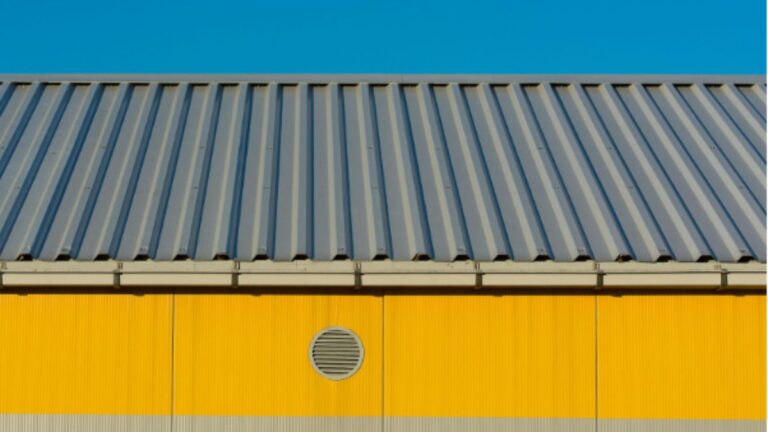
- Inspect roofing, gutters, and foundation: Regularly clean gutters to prevent water overflow and analyze the roof for missing shingles or damaged flashing. Checking your foundation for cracks or shifts is also key in avoiding structural problems.
- Ensure safety devices are functional: Test smoke alarms, carbon monoxide detectors, and fire extinguishers monthly, replacing batteries as needed. These safety devices are essential components of essential maintenance tips for protecting your loved ones.
Organized Cleaning Schedule
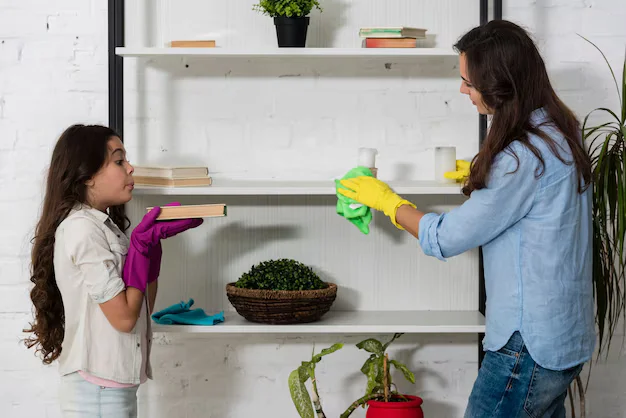
- Schedule seasonal deep cleaning: Window cleaning, carpet shampooing, and chimney sweeping should be part of your quarterly or biannual routines.
- Daily routine for upkeep of living spaces: Make beds, wipe down surfaces, and manage clutter daily to maintain a tidy and healthy environment.
- Proper storage to prevent clutter and damage: Use labeled bins, shelves, and storage units to keep items organized, prevent damage, and make routine cleaning easier.
Safe Handling and Storage of Tools
- Store tools properly after use: Keep tools in designated areas to avoid accidents and make them easy to find when needed.
- Maintain sharpness and cleanliness of tools: Regular sharpening and cleaning improve safety and efficiency during DIY projects.
- Safe disposal of broken or damaged tools: Follow local regulations for disposing of broken electrical tools or sharp objects to prevent injuries.
The Essential Plumbing Maintenance Tips
Preventing Blockages
- Regularly clear drains and pipes: Use a combination of hot water, baking soda, and vinegar or biological drain cleaners periodically to prevent buildup.
- Use biological or chemical drain cleaners carefully: Follow manufacturer instructions to avoid damaging pipes or harming your plumbing system.
- Install strainers in sinks and tubs: These inexpensive devices catch hair and debris, reducing the risk of clogs.
Check for Leaks and Drips
- Periodic inspection of faucets, toilets, and pipes: Look for signs of moisture, corrosion, or dripping leaks which can waste water and cause water damage.
- Prompt repair of leaks: Fixing minor leaks immediately conserves water and prevents mold or structural issues.
Maintenance of Water Heaters
- Flush tank yearly: Draining sediment buildup improves efficiency and prolongs lifespan. Consult your water heater manual for instructions.
- Test temperature settings and pressure relief valve: Keeping temperature around 120°F (49°C) prevents scalding and saves energy.
- Insulate to improve efficiency: Wrapping your water heater and pipes minimizes heat loss, reducing energy bills.
HVAC System Maintenance
Regular Filter Changes
- Replace filters every 1-3 months: Dirty filters restrict airflow, reduce indoor air quality, and overwork your system.
- Use appropriate filter types: Consult your HVAC manual or professionals for filters sized for your unit and suitable for allergens or pollutants.
Annual Professional Servicing
- Schedule HVAC tune-ups before peak seasons: Spring for air conditioning and fall for heating ensure systems operate efficiently when needed most.
- Check for refrigerant leaks and system calibration: Certified technicians can identify and fix issues that impact energy efficiency and comfort. Learn more at Energy.gov.
Keep Vents and Ducts Clean
- Regularly vacuum vents: Prevent dust buildup that can impair airflow.
- Schedule duct cleaning services periodically: Commercial duct cleaning can improve indoor air quality, especially for allergy sufferers.
Electrical System Maintenance
Inspect Wiring and Outlets
- Look for signs of wear or corrosion: Frayed wires, scorch marks, or loose outlets should be addressed promptly by a qualified electrician.
- Avoid overloading circuits: Do not plug too many devices into a single outlet or power strip to prevent overheating.
Test GFCIs and Circuit Breakers
- Monthly testing: Press the test button on GFCI outlets to ensure they trip correctly. Replace faulty units immediately.
- Replace faulty components: Fuse or breaker replacements should only be performed by licensed professionals for safety reasons.
Safety Precautions
- Keep electrical panels accessible: Clear clutter around breaker boxes for quick access during emergencies.
- Avoid DIY fixes on complex electrical issues: Always hire licensed electricians for repairs beyond simple troubleshooting.
Maintaining Appliances Effectively
Regular Cleaning and Inspection
- Clean coils, filters, and vents: Refrigerators, dishwashers, and laundry appliances run more efficiently when cleaned regularly.
- Check for unusual noises or performance issues: Addressing early signs prevents costly replacements.
Follow Manufacturer Recommendations
- Adhere to service schedules: Routine maintenance as advised ensures appliance longevity.
- Replace parts as recommended: Using manufacturer-approved parts maintains warranty and performance.
Exterior and Garden Maintenance Tips
Landscaping and Lawn Care
- Regular mowing, trimming, and watering: Healthy lawns reduce pest problems and improve curb appeal.
- Prune trees and shrubs: Removing dead or overgrown branches prevents damage during storms and maintains safety.
Exterior Surface Care
- Clean and seal decks, patios, and driveways: Regular sealing protects against weather damage and extends their life.
- Repair damaged siding or paint: Prevents water infiltration and keeps your home looking great.
Maintenance of Outdoor Equipment
- Store equipment properly: Protect lawnmowers, trimmers, and other tools during winter or off-season periods.
- Regular oiling and blade sharpening: Ensures outdoor equipment operates smoothly and efficiently.
Practical Tips for Staying on Top of Maintenance
- Create a maintenance calendar: Use digital apps or calendars to schedule and remind you of upcoming tasks.
- Keep a detailed log: Record repairs, inspections, and replacements for future reference and warranty claims.
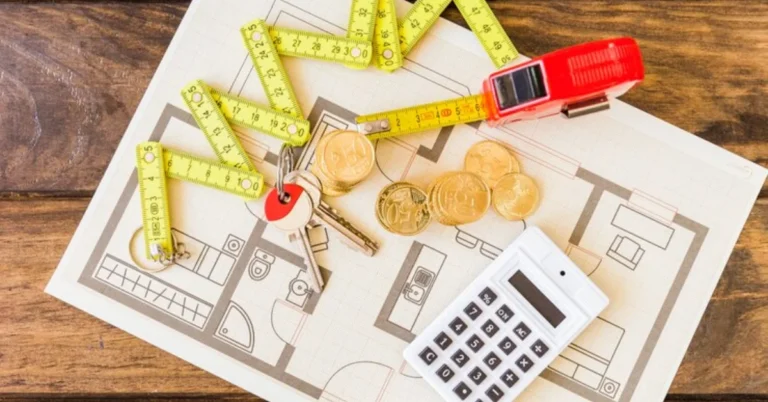
- Budget for expenses: Set aside funds regularly for planned and unexpected maintenance needs.
- When to hire professionals versus DIY: Know your limits—complex electrical work, roof repairs, or plumbing issues are best handled by certified experts.
Summary Table: Essential Maintenance Checklist
| Maintenance Area | Key Tasks | Frequency | Notes |
|---|---|---|---|
| Home Inspections | Check for leaks, cracks, safety devices | Monthly / Quarterly | Early detection saves money |
| Plumbing | Clear drains, check for leaks, water heater upkeep | Monthly / Annually | Prevents water damage |
| HVAC | Change filters, professional service, vent cleaning | 1-3 months / Annually | Maintains indoor comfort & efficiency |
| Electrical | Inspect wiring/outlets, test GFCIs & breakers | Monthly / Annually | Ensures safety |
| Appliances | Clean coils, change filters, inspect performance | Regularly / As per manual | Extends appliance life |
| Exterior & Garden | Landscaping, surface cleaning, equipment maintenance | Seasonally / Periodically | Preserves curb appeal & safety |
FAQs About Essential Maintenance Tips
1. How often should I inspect my home for maintenance issues?
It’s recommended to perform routine inspections at least once a month, with more thorough checks seasonally. This proactive approach helps catch problems early.
2. Is DIY maintenance safe for all home systems?
While minor tasks like changing filters or cleaning gutters can be DIY, complex issues such as electrical repairs or plumbing leaks should be handled by licensed professionals to ensure safety and code compliance.
3. How can I save money on home maintenance?
Planning and budgeting for routine essential maintenance tips, staying on schedule, and addressing small issues promptly prevents costly repairs later. Creating a maintenance calendar can greatly help with this.
4. What are the most common overlooked maintenance tasks?
Often overlooked tasks include cleaning refrigerator coils, testing smoke alarms, inspecting attic insulation, and sealing leaks around windows and doors.
5. How do I know when it’s time to replace appliances or systems?
When appliances or systems frequently break down, show reduced efficiency, or surpass the typical lifespan indicated by manufacturers, it’s time to consider replacement. Consult professionals for advice.
6. Are there benefits to hiring professional services for maintenance?
Absolutely. Professionals bring expertise, proper tools, and knowledge to ensure repairs are safe, reliable, and up to code. They can also detect underlying issues you might miss.
7. How do I prioritize maintenance tasks?
Focus on safety-related tasks first (like smoke detectors, electrical wiring, plumbing leaks), then move on to efficiency improvements like HVAC tune-ups and appliance maintenance.
8. Can regular maintenance improve my home’s energy efficiency?
Yes, regularly replacing filters, sealing leaks, and maintaining HVAC and appliances help reduce energy consumption, lowering utility bills.
9. How do I create an effective maintenance routine?
Use a calendar or app to schedule recurring tasks, keep detailed logs, and set aside a maintenance budget. Regular reviews of your routine ensure nothing is overlooked.
10. Are there eco-friendly maintenance options?
Yes, use biodegradable drain cleaners, eco-friendly paints, and energy-efficient systems. Regular maintenance also reduces waste and conserves resources.
By adhering to these essential maintenance tips, you’ll protect your investment, ensure safety, and enjoy a comfortable and efficient home. Remember, the key is to stay proactive and consistent in your maintenance efforts. For more detailed guides or professional assistance, consider resources such as HomeAdvisor.